RESEARCH INTERESTS

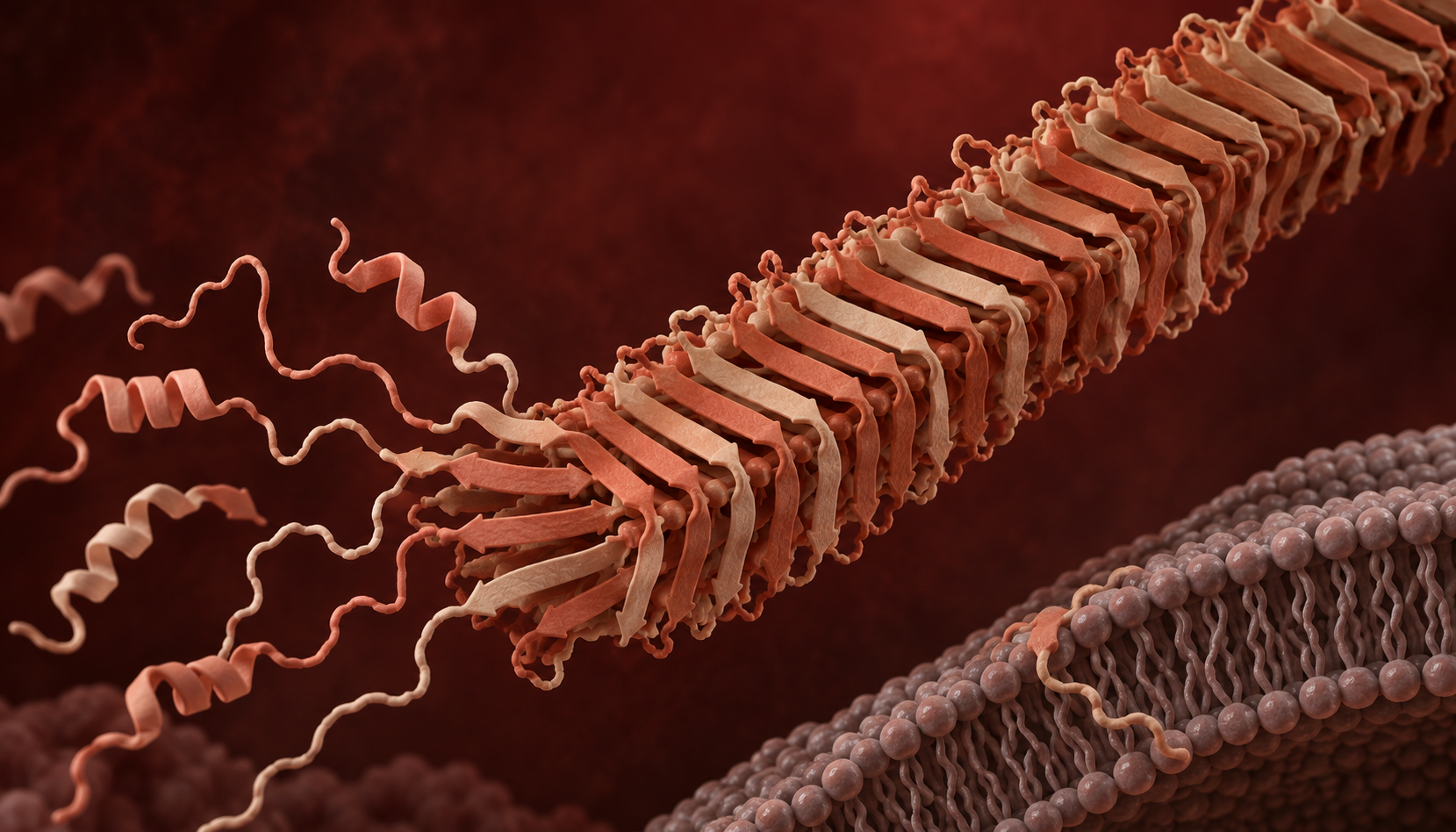
Protein Misfolding and Pathological Aggregation

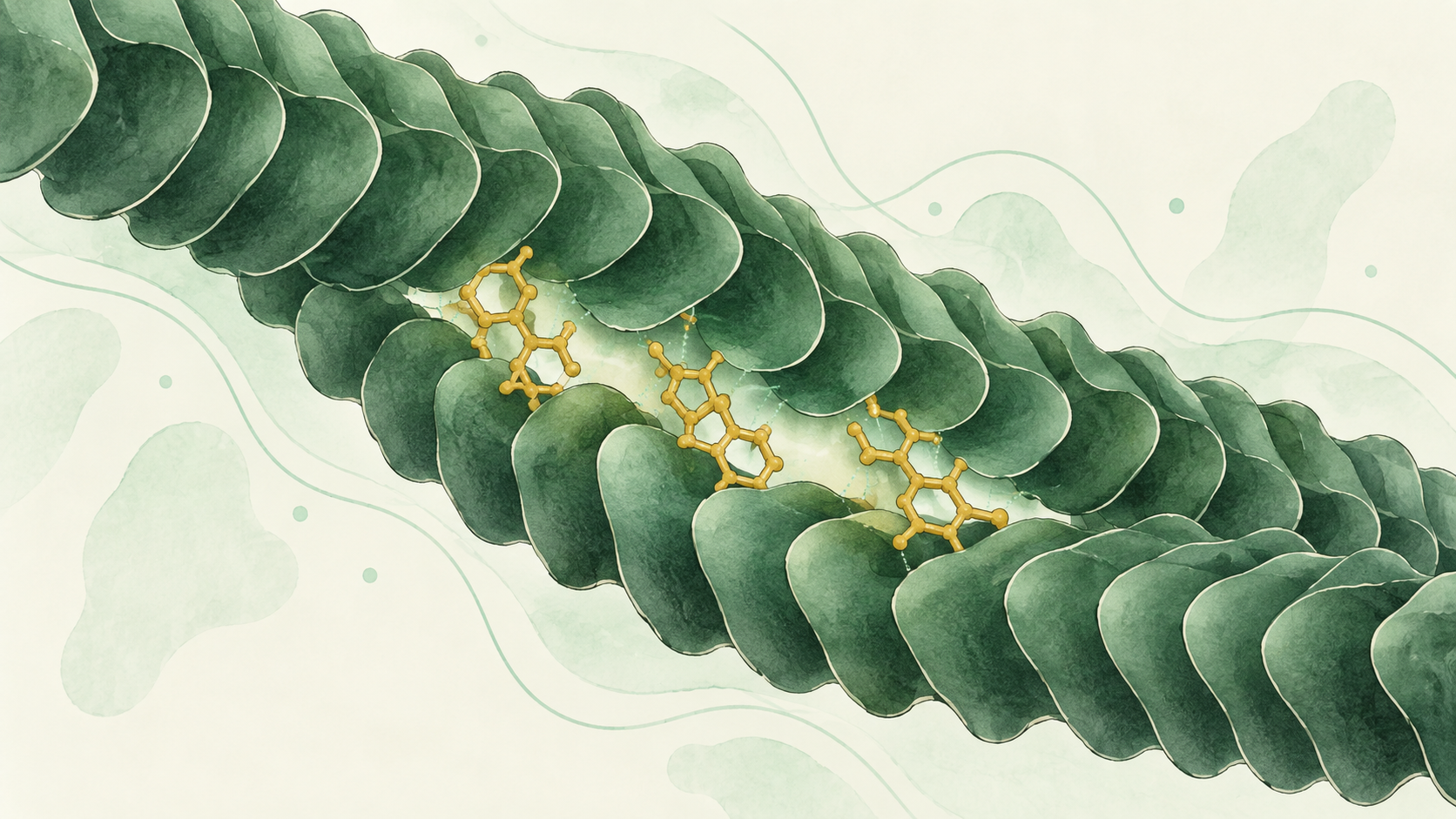
We study aberrant conformational transitions and pathological aggregation of disease-associated proteins, with an emphasis on proteins implicated in neurodegenerative disorders and additional work on aggregation associated with cancer and metabolic disease. We investigate how mutations, key structural motifs, and environmental factors regulate misfolding, oligomerization, nucleation, and amyloid fibril formation. We also examine the structural polymorphism of aggregates, their interactions with biological membranes, and the resulting membrane damage.
protein misfoldingpathological aggregationamyloid fibrilsoligomersmembrane damagedisease-associated mutations

Molecular Intervention and Drug Design for Disease-Associated Proteins

We investigate the molecular recognition, aggregation inhibition, fibril disassembly, and membrane-protective mechanisms of small-molecule, peptide-based, and nanoscale inhibitors targeting disease-associated proteins and pathological aggregation. By integrating molecular simulation, computational screening, and experimental validation, we design and optimize candidate molecules and examine the relationship between anti-amyloid activity and cytotoxicity, including strategies to decouple the two.

molecular interventiondrug designanti-amyloid activitystructure–activity relationshipsmembrane protectioncytotoxicity

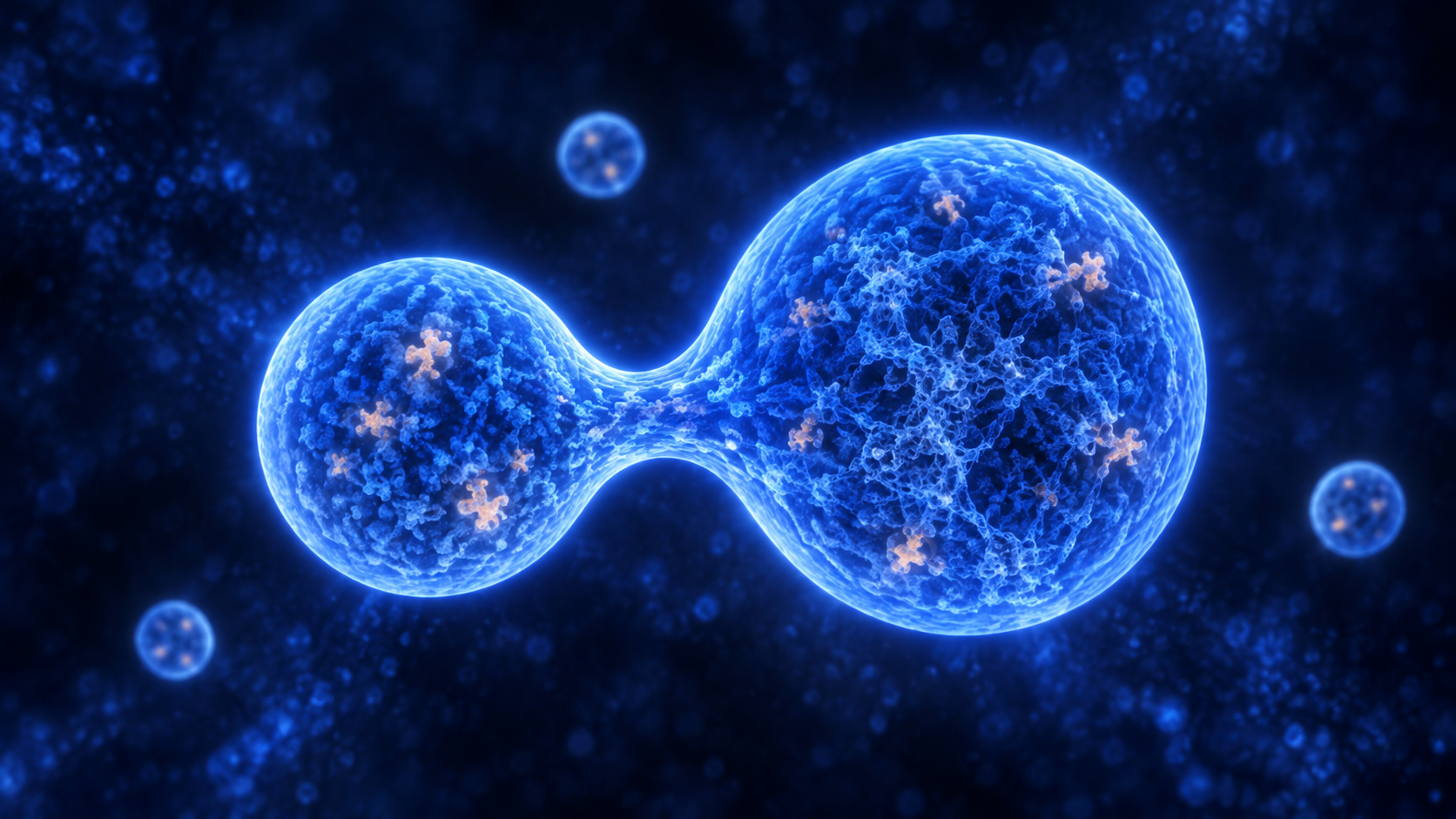
Biomolecular Phase Separation and Condensate Phase Transitions

We study liquid–liquid phase separation and condensate phase transitions of biomolecules, including proteins, nucleic acids, and short peptides. We examine how sequence, single-molecule conformations, intermolecular interactions, and environmental conditions shape phase boundaries, condensate formation and maturation, and liquid-to-solid transitions. Combining multiscale simulations, computational characterization, and experimental data, we seek to uncover the physical principles of physiological condensates and pathological phase transitions, using minimal peptide models to probe the molecular basis of phase separation.

liquid–liquid phase separationbiomolecular condensatesliquid-to-solid transitionshort peptidesphase diagramsmultiscale simulation

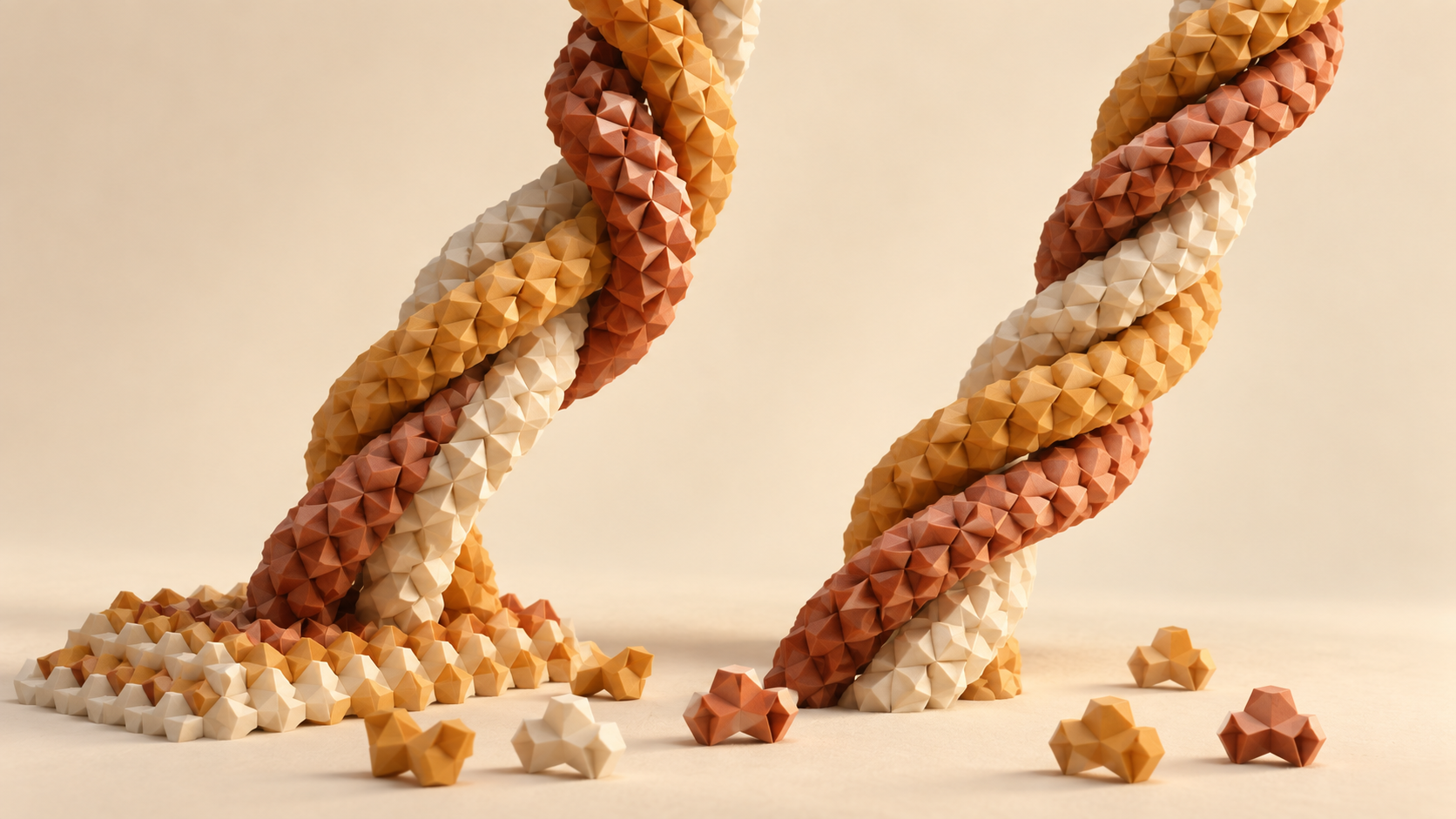
Biomolecular Self-Assembly and Functional Materials

Using amino acids, short peptides and their derivatives, peptide nucleic acids, and other biomolecular building blocks, we investigate the molecular mechanisms of self-assembly and co-assembly. We examine how sequence, backbone modification, chirality, component ratios, and environment affect assembly pathways, hierarchical structures, and crystal packing. Integrating multiscale simulations with collaborative experiments, we connect molecular structure, assembly behavior, and material properties to explore mechanical, optoelectronic, catalytic, and stimuli-responsive materials. Studies of interfacial water structure, interfacial interactions, and their characterization provide a related foundation.

self-assemblyco-assemblyfunctional materialshydrogelscrystal packingstimuli responsivenessinterfacial hydration

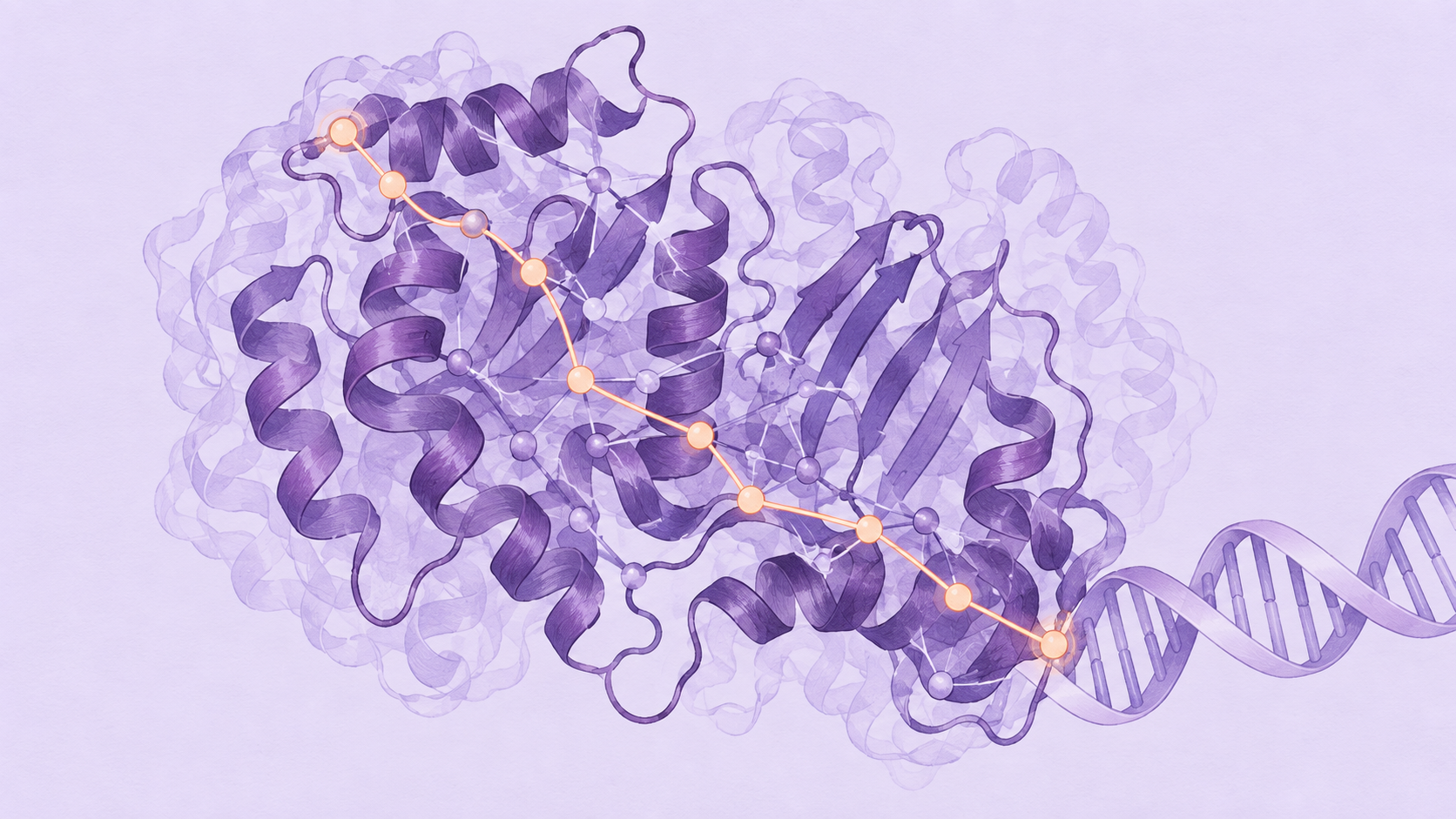
Protein Conformational Dynamics and Allosteric Regulation

We study how protein conformational dynamics shape molecular function, focusing on the effects of mutations, post-translational modifications, and molecular binding on conformational ensembles, long-range allosteric communication, molecular recognition, and the stability of functional complexes. Combining molecular simulation, dynamical networks, and machine learning, we develop and evaluate methods for conformational sampling, conformation generation, and allosteric pathway analysis. Our goal is to reveal the molecular mechanisms of protein regulation and provide a theoretical basis for intervention strategies.

conformational dynamicsallosteric regulationmolecular recognitionconformational samplingmachine learningdynamic networks